

Best Time to Visit Sariska Tiger Reserve (Month-by-Month Guide)
Ready for a thrilling encounter with Sariska majestic Tigers? Plan your perfect safari now. Leave the booking worries to us—we’ll take care of it!
Planning a trip to Sariska Tiger Reserve becomes much better when you choose the right season. The reserve can feel very different depending on the season you visit. In winter, the forest feels pleasant and comfortable for safaris. Whereas in summer, the heat becomes intense, but tiger sightings usually get better.
During the monsoon, the jungle turns green and fresh, though safari access becomes limited in many areas.
So, the best time to visit the Sariska tiger reserve depends on the kind of experience you want. Some travellers prefer cool weather and relaxed jungle safaris. Others visit mainly for wildlife sightings and do not mind the heat.
This guide will help you understand the weather in Sariska in different seasons to plan your trip in a much better way.
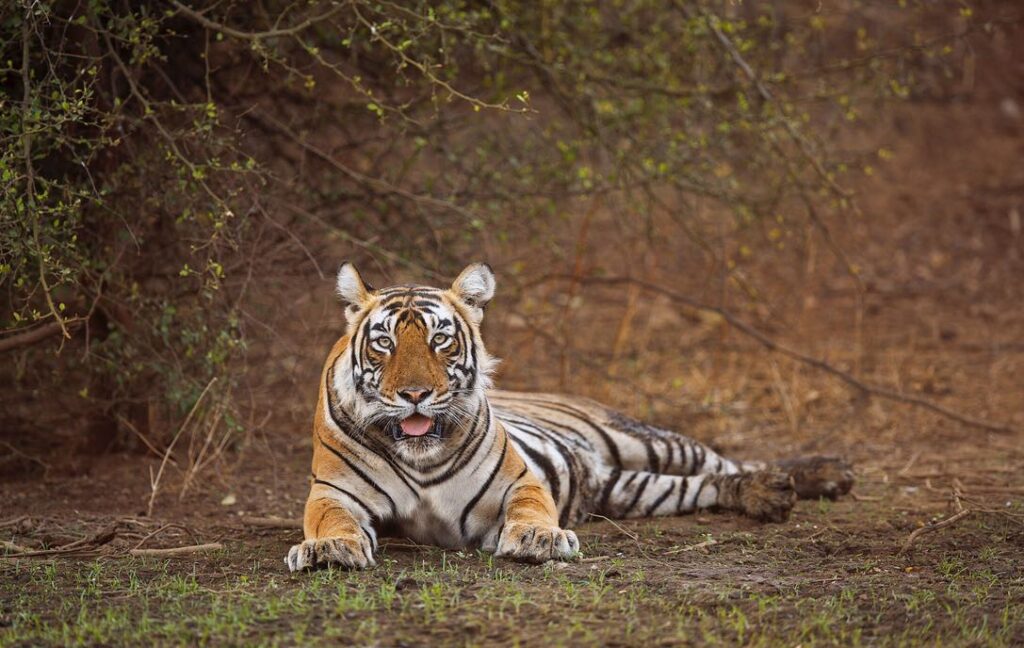
Best Time to Visit Sariska (Quick Answer)
For most travellers, the best time to visit the Sariska Tiger Reserve is from October to March in winter. The weather remains pleasant during these months, making safaris more comfortable and enjoyable. Along with this, it is also the time when most people visit the park.
However, if your main goal is wildlife spotting, especially tigers, summer can actually be a good choice too. From April to June, the heat becomes very strong, but animals often come near water sources. This improves the safari sightings, which is why many wildlife lovers consider summer the best time to visit Sariska for tiger spotting.
On the other hand, the monsoon season from July to September brings heavy greenery to the forest. The landscape looks fresh and beautiful after the rains. But at the same time, some safari zones may remain closed or restricted because of weather conditions. So while the jungle looks scenic, it is usually not considered the best season to visit Sariska National Park for safaris.
Sariska Weather & Seasons Explained
The experience of visiting Sariska changes quite a lot throughout the year.
In some months, the weather feels ideal for safari and sightseeing. While in others, the forest becomes dry and hot, improving the wildlife sightings. And even the landscape keeps changing with every season, from lush green hills after monsoon to dry jungles in summer.
That’s why the overall safari experience can feel very different depending on which season you choose to visit. So, before planning your trip, it helps to know what each season in Sariska is actually like.
Winter (October to March) – Peak Season
Winters are usually the best time to visit Sariska Tiger Reserve. The weather stays cool during early mornings and the rest of the day is comfortable for long safaris.
The forest also looks fresher after the monsoon months. Dry grass turns into green patches while visibility inside the jungle also remains good for wildlife spotting. During this season, visitors often spot deer, nilgai, langurs, peacocks, and different species of birds during the safari. Since animals stay active for longer hours in cooler weather, safari rides generally feel more lively.
Another reason winter becomes the peak season is the overall travel experience. You can easily explore nearby places around Sariska without having to deal with extreme heat. The softer sunlight and clearer skies also make winter a good time for photography.
Summer (April to June) – Best for Tiger Sightings
The weather in Sariska starts becoming much hotter by April. And as the summer moves towards May and June, the heat becomes intense, especially during the afternoons. Because of this, tourist crowds also become much lower compared to the winter months.
But even with this harsh weather, many wildlife lovers prefer visiting during this season. As the water sources inside the forests start drying up, animals are often seen near ponds and water sources. This increases the chances of spotting wildlife during safaris.
Another thing that changes during summer is the forest visibility. The forest becomes drier and less dense vegetation, making animal movement easier to notice from safari vehicles. Wildlife photographers often prefer this season because visibility stays clearer compared to monsoon or post-monsoon months.
Monsoon (July to September) – Closed/Restricted
Monsoon season offers a completely different side of Sariska. The forest slowly turns green again and the hills around start looking fresher and more scenic. The cooler weather and fresh landscape make the area feel calmer and quieter.
At the same time, monsoon is not the most practical season for safaris. Heavy rainfall can affect forest roads, which is why some safari zones remain closed or restricted during this period. Thick greenery also makes wildlife spotting more difficult because visibility inside the jungle decreases.
Even though the reserve looks beautiful during the rains, this is usually not the best season to visit Sariska National Park for safari experiences.
Month-by-Month Breakdown
January
January is one of the coldest months in Sariska, especially during early morning safaris. The weather is comfortable for long safaris and wildlife sightings remain good across most safari zones. Tourist crowds remain high because of the winter season.
February
The weather starts to feel slightly warmer, but still remains very comfortable for safari. The forest. The forest looks fresh after winter, and birdwatching is also good during this month. Crowds remain moderate to high during this time.
March
March marks the beginning of summer in Sariska. Days slowly become hotter, though mornings still feel pleasant for safaris. Wildlife sightings start improving as the forest becomes drier.
April
The heat increases noticeably during April, especially in the afternoons. Tourist crowds start reducing, but safari sightings often become better during this time. Early morning safaris are usually the best choice during this month.
May
May is among the hottest months in the Sariska Tiger Reserve. Most smaller water sources begin to dry, so animals are more commonly seen near ponds and watering holes. Even with the harsh weather, many wildlife lovers visit during this time for better tiger sightings.
June
The dry summer conditions continue through June, and the safari rides can feel tiring later in the day. But the thinner vegetation still helps with wildlife spotting. Crowds remain much lower compared to the winter months.
July
July usually marks the beginning of the monsoon season in Sariska. The dry forest slowly starts turning green again, and the weather cools down after the intense summer heat. While some safari routes may remain closed or restricted because of rainfall.
August
August is one of the greenest months in the reserve. Rainfall keeps the landscape fresh, and the hills around Sariska look much more vibrant during this time. Wildlife sightings may reduce because animals spread deeper into the forest.
September
The monsoon season slowly starts fading by September. The reserve still looks lush, but safari conditions usually improve compared to July and August. Tourist crowds remain fairly low during this period.
October
October marks the return of the main tourist season in Sariska. The weather starts cooling down, and safari conditions become much better after the rains. The forest still carries fresh greenery from the monsoon months.
November
November is one of the best months to visit Sariska. The weather stays cool throughout the day, and safari rides feel smooth even for longer hours. Wildlife sightings and photography conditions are both good during this season.
December
December brings cold mornings and clear winter skies to Sariska. The forest looks calm during this time, and safaris usually feel more active because animals stay out for longer hours. Tourist crowds also rise during the Christmas and New Year holidays.
Best Time for Tiger Sightings in Sariska
April to June is often seen as the best time for tiger sightings in Sariska. During summers, the forest and small water sources start to dry up. And as a result, animals are spotted more frequently near the ponds and watering holes.
The vegetation becomes thinner, which improves the visibility inside the jungle. This makes it easier to notice wildlife movement from safari vehicles. While the daytime heat can feel harsh, early morning safaris give better chances for spotting tigers and other animals.
Best Time for Safari Experience (Comfort + Views)
For most travellers, October to March offers the best safari experience in Sariska overall. The cooler weather makes long safari rides comfortable and easier, especially in the mornings and evenings.
The reserve also looks fresher after the monsoon season, with a mix of greenery and open forest views. Because of this, safaris during winter usually feel more relaxed and scenic at the same time. Visibility inside the jungle also remains fairly good for wildlife spotting. Along with wildlife sightings, the overall atmosphere inside the reserve feels calmer during this time.
At the same time, winter skies and softer sunlight create better conditions for photography and sightseeing around the reserve. This is why many travellers prefer winter as the best time to visit Sariska Tiger Reserve for a complete safari experience.
When to Avoid Visiting Sariska
It is better to avoid Sariska in the months of May and June if you are sensitive to extreme heat. Temperatures can get very high during this time, especially in the afternoon, which can make safari rides tiring and exhausting.
Whereas the monsoon season from July to September is also not an ideal time for safari-focused trips. Heavy rainfall can affect forest routes, and some safari zones may stay closed or restricted during this time. While thick greenery also makes wildlife spotting more difficult inside the jungle.
So if you want a smoother safari experience with better weather conditions, the winter season is usually a safer choice.
Safari Timings by Season
Safari timings may change slightly around the year depending on the season, weather conditions, and timings of sunrise/sunset. Morning safaris usually start earlier in summer to avoid the intense daytime heat, while winter safaris begin a little later because of colder mornings and fog.
Evening safari timings also shift with the seasons. In winter, safaris end earlier as the sun sets sooner, while summer evening slots continue for a longer time due to extended daylight hours.
Since timings may change across different months, it is always better to check the latest safari schedule before planning your visit.
Travel Tips Based on Season
Safari bookings can fill up quickly during weekends and winter months. It is better to book your safari in advance, especially if you are visiting between October and March. Morning safari slots are often preferred for better wildlife activity and cooler weather.
Winter Travel Tips
Winter mornings in Sariska can feel quite cold, especially during early safaris. Carry light woollens or layers so you can stay warm during morning jungle drives.
Summer Travel Tips
Summer safaris can get very hot, especially after sunrise. Carry enough water, sunglasses, sunscreen, and light cotton clothes. Early morning safaris are usually better during this season.
FAQs
What is the best month to visit Sariska?
November to February is considered the best month to visit Sariska Tiger Reserve. The weather stays cooler during these months, which makes safaris, sightseeing, and wildlife spotting much more enjoyable.
Is Sariska open in monsoon?
Sariska may remain partially open during the monsoon season, but some safari zones can stay closed or restricted because of heavy rainfall and forest conditions. It is always better to check the latest safari updates before planning a trip during the monsoon.
Which season is best for tiger sightings?
Summer, especially from April to June, offers better chances for tiger sightings in Sariska. As water sources start drying up, animals are seen more often near ponds and watering holes inside the reserve.
Is summer too hot for visiting?
Yes, summers in Sariska can get extremely hot, especially in May and June. Afternoon safaris may feel tiring, but early morning safari rides are still preferred by many wildlife lovers for better animal sightings.